
Off Road Riding Guide: Everything Beginners Need to Know
Off-road riding has become one of the most popular ways to get outdoors, and it’s easy to see why. This off road riding guide is built for beginners who want to explore trails safely on an ATV, UTV, or dirt bike without feeling overwhelmed by all the gear, terrain types, and techniques involved.
Getting started the right way matters. Proper preparation, the right vehicle, and a solid understanding of safety practices make the difference between a fun first ride and a frustrating — or dangerous — one. This guide covers everything from choosing your first off-road vehicle to reading trail conditions, so you can head out with confidence.
What Is Off-Road Riding?
Off-road riding means operating a vehicle designed for unpaved terrain, including dirt trails, forest paths, sand dunes, and rocky trails, rather than paved roads.
Common off-road vehicles include:
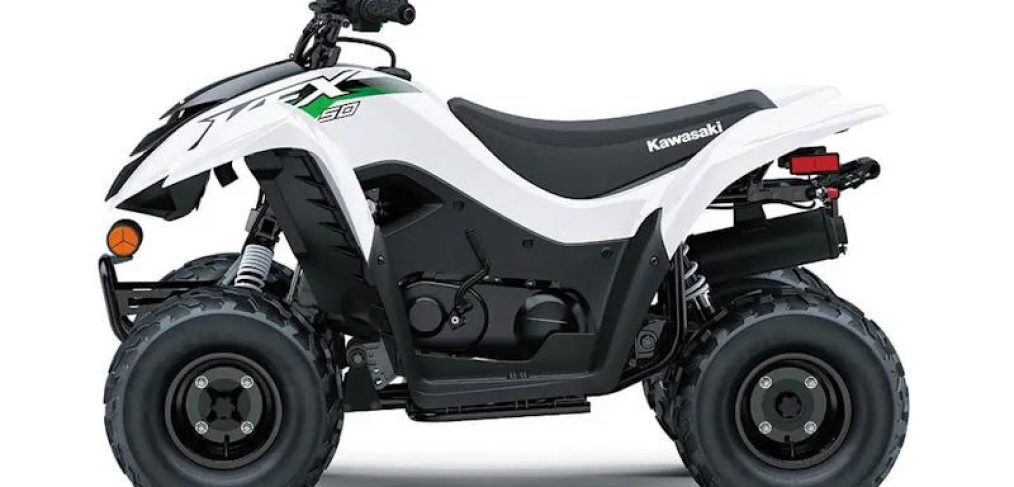
- ATVs (All-Terrain Vehicles) — Straddle-seat vehicles built for varied terrain.
- UTVs (Utility Task Vehicles) — Side-by-side vehicles with bench or bucket seating.
- Dirt bikes — Lightweight, agile motorcycles designed for off-road trails.
Off-road riding offers recreational benefits like fresh air, physical activity, and access to remote natural areas. Responsible riding — staying on approved trails and respecting the land — helps keep these areas open and enjoyable for everyone.
Choosing the Right Off-Road Vehicle
Picking the right vehicle depends on your experience level, intended use, and who else might be riding with you.
- ATVs — Versatile and beginner-friendly, popular for trail riding and utility use.
- UTVs — Great for families or riders who prefer side-by-side seating and added stability.
- Dirt bikes — Best suited for riders comfortable with two-wheeled balance and control.
- Youth models — Smaller, lower-powered vehicles designed specifically for younger or first-time riders.
- Engine size — Beginners generally do better starting with a smaller, more manageable engine.
- Automatic vs. manual transmission — Automatic options are often easier for beginners to learn on.
- Intended riding style — Trail riding, utility work, and racing all call for different vehicle features.
| Vehicle Type | Best For | Advantages |
|---|---|---|
| ATV | Trail riding, beginners, varied terrain | Agile, widely available, beginner-friendly options |
| UTV | Families, groups, utility use | Side-by-side seating, added stability and storage |
| Dirt Bike | Riders comfortable with two wheels | Lightweight, highly maneuverable |
| Youth Model | First-time or younger riders | Lower power, easier to control while learning |

Essential Safety Gear for Every Rider
Protective equipment is non-negotiable for off-road riding, regardless of vehicle type or experience level.
- DOT-approved helmet — Protects against head injuries, the most critical piece of gear.
- Riding goggles — Shield eyes from dust, debris, and branches.
- Gloves — Improve grip and protect hands from impact and abrasion.
- Boots — Provide ankle support and protect feet from rocks and vehicle components.
- Protective clothing — Long sleeves and pants reduce scrapes and sun exposure.
- Knee guards — Protect against impact during falls or obstacle crossings.
- Elbow guards — Reduce injury risk from falls or branch contact.
- Chest protectors — Especially useful for dirt bike riders navigating rough terrain.
- Hydration pack — Keeps riders hydrated during longer rides in hot conditions.
ATV and UTV Riding Tips for Beginners
Solid fundamentals go a long way toward safe, enjoyable rides. These ATV and UTV riding tips are a great starting point for new riders.
- Learn the controls before riding — Understand the throttle, brakes, and steering before heading onto a trail.
- Maintain proper posture — Stay balanced and centered, especially on uneven terrain.
- Use smooth throttle and braking — Sudden inputs can cause loss of control.
- Keep both hands on the controls — Full control starts with proper hand and foot positioning.
- Ride at appropriate speeds — Match your speed to terrain, visibility, and skill level.
- Practice turning safely — Slow down before turns and lean appropriately for your vehicle type.
- Climb and descend hills correctly — Use proper body positioning and controlled throttle on inclines.
- Cross obstacles carefully — Approach logs, rocks, and ruts slowly and at the correct angle.
- Ride with a buddy when possible — A riding partner adds an extra layer of safety.
Understanding Different Types of Terrain
Different terrain calls for different techniques.
- Dirt trails — Watch for ruts, roots, and changing traction.
- Gravel roads — Reduce speed, since loose gravel affects braking and steering.
- Mud — Maintain steady momentum and avoid sudden throttle changes.
- Sand — Shift your weight back and keep momentum to avoid getting stuck.
- Rocky terrain — Go slow and choose your line carefully to avoid damage or tip-overs.
- Forest trails — Watch for low branches, narrow paths, and limited visibility.
- Hills — Approach straight on, and never turn sideways on a steep incline.
- Water crossings — Only cross where permitted, and check depth and current before entering.
Trail Etiquette and Responsible Riding
Responsible riding keeps trails open and enjoyable for everyone.
- Stay on designated trails — Riding off-trail damages ecosystems and can be illegal.
- Respect wildlife — Keep a safe distance and avoid disturbing animals.
- Yield to other trail users — Hikers, horseback riders, and other vehicles all share the trail.
- Reduce noise in shared areas — Be mindful of noise near campsites and residential areas.
- Avoid environmental damage — Stick to durable surfaces and avoid sensitive habitats.
- Follow local regulations — Trail rules vary by location; always check before you ride.
- Pack out trash — Leave the trail cleaner than you found it.
Common Beginner Mistakes to Avoid
- Riding without protective gear — Even short rides carry risk.
- Going too fast — Speed should match skill level and terrain.
- Riding beyond skill level — Advanced trails should wait until you’re ready.
- Ignoring weather conditions — Rain and mud can dramatically change trail difficulty.
- Skipping vehicle inspections — Mechanical issues are easier to catch before a ride than during one.
- Riding alone in remote areas — A riding buddy adds safety and support.
- Forgetting emergency supplies — A basic kit can make a big difference if something goes wrong.
Pre-Ride Inspection Checklist
A quick inspection before every ride helps catch issues early.
| Item | What to Check |
| Tires | Proper inflation, tread wear, visible damage |
| Brakes | Responsiveness and wear |
| Lights | Functioning headlights and taillights |
| Fuel Level | Enough fuel for the planned ride |
| Oil | Proper level and condition |
| Coolant | Adequate level, no leaks |
| Battery | Secure connection, sufficient charge |
| Suspension | No unusual noise or excessive play |
| Steering | Smooth, responsive movement |
| Safety Equipment | Helmet, gloves, and other gear packed and ready |
Basic Vehicle Maintenance After Every Ride
- Cleaning mud and debris — Prevents buildup that can affect performance.
- Inspecting tires — Check for punctures or embedded debris after rough terrain.
- Checking fluids — Confirm oil and coolant levels remain adequate.
- Lubricating moving parts — Keeps chains and joints functioning smoothly.
- Air filter maintenance — Dust and dirt can clog filters quickly off-road.
- Battery care — Ensure terminals are clean and connections secure.
- Storing the vehicle properly — Protect from weather and moisture between rides.
Why Buy Your Off-Road Vehicle from Woods Cycle Country?
Getting started in off-road riding is easier with the right dealership behind you. Woods Cycle Country offers a wide inventory of ATVs, UTVs, and dirt bikes, including beginner-friendly models suited to new riders. Their knowledgeable staff can help match you with a vehicle that fits your experience level and riding goals.
Beyond vehicle selection, Woods Cycle Country provides financing options, OEM parts and accessories, riding gear, and a full service department to support your off-road journey from your first ride onward. Their customer support team is available to answer questions as you build skills and confidence on the trail.
Frequently Asked Questions
What is the best off-road vehicle for beginners?
Many beginners start with a smaller ATV or automatic UTV, since these are generally easier to control while learning fundamental riding skills.
Is an ATV easier to ride than a dirt bike?
ATVs are often considered easier for beginners since they offer more stability with four wheels, while dirt bikes require balance skills similar to a bicycle.
What safety gear is required for off-road riding?
At minimum, a DOT-approved helmet, goggles, gloves, and boots are strongly recommended, along with protective clothing suited to the terrain and weather.
Can beginners ride on trails?
Yes, many trails welcome beginners, but it’s best to start on easier, well-marked trails before progressing to more advanced terrain.
How fast should a beginner ride?
Beginners should ride at slow, controlled speeds, gradually increasing pace as skills and trail familiarity improve.
Do I need training before riding an ATV?
Formal training, such as a hands-on safety course, can help beginners build confidence and learn proper techniques before hitting the trail.
What should I bring on my first trail ride?
Pack safety gear, water, a basic tool kit, a first aid kit, and a fully charged phone or communication device.
How often should I inspect my ATV or UTV?
A basic inspection should be done before every ride, with a more thorough check after rides involving rough terrain or extended use.
Key Takeaways
- Off-road riding covers ATVs, UTVs, and dirt bikes, each suited to different riders and terrain.
- Choosing the right beginner-friendly vehicle makes learning safer and more enjoyable.
- Safety gear, including a DOT-approved helmet, is essential for every ride.
- Learning proper throttle, braking, and turning technique builds a strong riding foundation.
- Different terrain types require adjusted riding techniques for safety and control.
- Trail etiquette and responsible riding help preserve access for all outdoor enthusiasts.
- Woods Cycle Country offers beginner-friendly vehicles, gear, and expert guidance to support new riders.
Conclusion
Starting your off-road riding journey doesn’t have to be intimidating. By choosing the right vehicle, wearing proper safety gear, learning core riding techniques, and respecting trail etiquette, beginners can build confidence safely and enjoyably. Take it slow, practice consistently, and prioritize safety on every ride. Explore beginner-friendly ATVs, UTVs, motorcycles, riding gear, and expert assistance at Woods Cycle Country to get started on your off-road adventure.


