
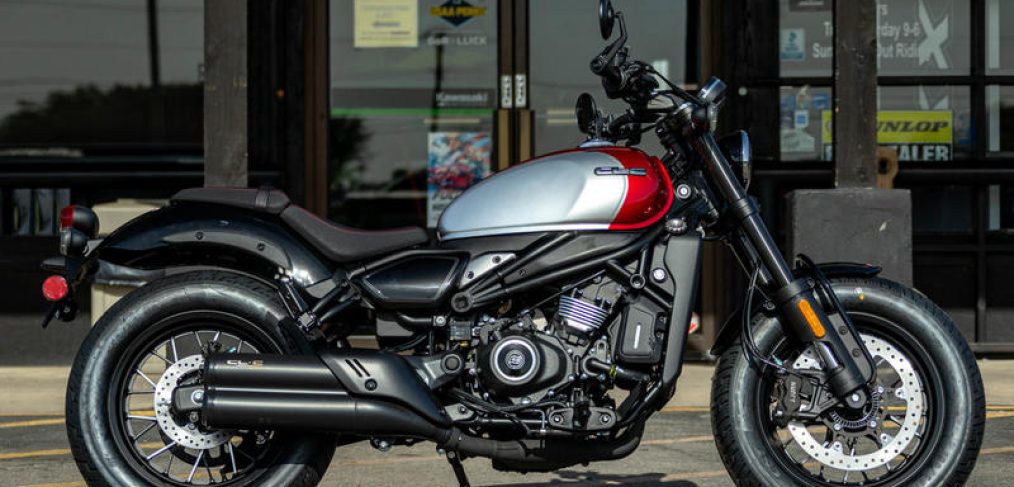
New vs Used Motorcycle: Which One Should You Buy?
Buying a motorcycle is exciting, but the new vs used motorcycle decision can leave even experienced riders second-guessing themselves. Do you go for the latest tech, full warranty coverage, and that new-bike smell? Or do you save money with a used motorcycle that still has plenty of life left in it?
There’s no universal right answer. The best choice depends on your budget, riding experience, and long-term goals. This guide breaks down the real pros and cons of both options, walks you through a complete used motorcycle buying guide, and helps you figure out which path makes the most sense for your riding style and wallet.
Benefits of Buying a New Motorcycle
A new motorcycle comes with advantages that go beyond bragging rights.
- Latest technology — Modern safety features like ABS, traction control, ride modes, and updated suspension systems are standard on most current models.
- Factory warranty — New bikes typically include manufacturer warranties covering major mechanical issues, giving you peace of mind.
- Better financing — Motorcycle financing rates are often more favorable on new inventory, especially with manufacturer incentives.
- Reliability — Everything is fresh, from the engine to the tires, so unexpected repairs are far less likely early on.
- Manufacturer support — Recalls, technical service bulletins, and dealer support are easier to access with a new purchase.
- Lower maintenance initially — You won’t be inheriting worn parts, old fluids, or deferred maintenance from a previous owner.
Advantages of Buying a Used Motorcycle
For many riders, a solid used motorcycle buying guide and a little patience can lead to serious savings.
- Lower purchase price — Used motorcycles often cost thousands less than a comparable new model.
- Lower insurance costs — Insurance premiums are typically lower on used bikes because of reduced replacement value.
- Less depreciation — Motorcycles lose a big chunk of value in the first year or two; buying used means someone else already absorbed that hit.
- Wide selection — The used market includes older, sometimes discontinued models with unique styling or specs.
- Great value — A well-maintained pre-owned motorcycle can deliver nearly the same riding experience as new, for a fraction of the price.
Potential Drawbacks of New Motorcycles
New doesn’t mean without trade-offs.
- Higher cost — Higher sticker price and higher monthly payments.
- Immediate depreciation — Value can drop significantly the moment you ride off the lot.
- Insurance expenses — Full coverage on a new bike costs more than on an older one.
- Registration fees — New vehicle registration and taxes tend to be higher than on used purchases.
Potential Drawbacks of Used Motorcycles
Used bikes come with their own risks if you’re not careful.
- Unknown maintenance history — Without service records, it’s hard to know how well the bike was cared for.
- Repairs — Older components mean a higher chance of needing repairs sooner.
- No warranty — Many used motorcycles are sold as-is unless certified pre-owned.
- Higher maintenance — Belts, chains, tires, and fluids may already be near the end of their service life.
- Inspection importance — Skipping a proper inspection can turn a “deal” into an expensive mistake.

Used Motorcycle Buying Guide
If you’re leaning toward a used motorcycle, a careful inspection process protects your investment. Here’s what to check before you buy:
- Mileage — Compare mileage to the bike’s age; very low or unusually high mileage both deserve questions.
- Service records — Ask for maintenance history, including oil changes and valve adjustments.
- Accident history — Look for mismatched paint, frame welds, or replaced body panels.
- Tire condition — Worn or cracked tires signal upcoming replacement costs.
- Chain and sprockets — Rust, excessive slack, or worn teeth mean the drivetrain needs attention.
- Brake condition — Check pad thickness and rotor wear.
- Engine leaks — Look under the bike for oil or coolant stains.
- Frame damage — Inspect for cracks, bends, or signs of a prior drop or crash.
- VIN verification — Confirm the VIN matches the title and run a vehicle history report.
- Test ride — Always test ride before buying to check handling, clutch feel, and unusual noises.
- Dealer vs private seller — Dealers often provide inspections and financing; private sellers may offer a lower price but less protection.
- Certified pre-owned options — A certified used motorcycle typically includes a multi-point inspection and limited warranty, offering a middle ground between new and used.
Cost Comparison: New vs Used Motorcycle
| Factor | New Motorcycle | Used Motorcycle |
| Purchase Price | Higher | Lower |
| Insurance | Higher premiums | Lower premiums |
| Financing | Often better rates | Rates vary, still available |
| Maintenance | Lower initially | Higher, depending on age |
| Warranty | Full manufacturer coverage | Limited or none (unless certified) |
| Depreciation | Fast, especially year one | Slower, already absorbed |
| Technology | Latest features | Depends on model year |
| Reliability | High out of the box | Depends on condition and history |
| Long-Term Ownership Costs | Higher upfront, steady after | Lower upfront, variable over time |
Which Motorcycle Is Right for You?
- First-time buyers — A used motorcycle in good condition is often a smart, lower-risk way to learn without a huge financial commitment.
- Daily commuters — A newer or certified used bike offers the reliability commuting demands.
- Adventure riders — New models bring updated suspension and electronics suited for long, demanding rides.
- Weekend riders — A used motorcycle can deliver plenty of enjoyment without a large investment.
- Budget buyers — Used motorcycles typically offer the best value per dollar spent.
- Performance enthusiasts — New motorcycles provide the latest performance tech, though a lightly used sport bike can be a strong alternative.
Why Buy from Woods Cycle Country?
Whether you decide on new or used, having a trusted motorcycle dealership behind the purchase makes a real difference. Woods Cycle Country offers a large inventory of new motorcycles from top manufacturers alongside a carefully inspected selection of quality pre-owned motorcycles. Their team can walk you through motorcycle financing options suited to your budget, whether you’re buying new or used.
With an experienced staff, dedicated customer service, and an in-house service department stocked with OEM parts, Woods Cycle Country supports riders well beyond the day of purchase. That combination of selection, financing, and ongoing service is what makes a dealership worth choosing — not just for the sale, but for the ownership experience that follows.
Frequently Asked Questions
Is buying a used motorcycle worth it?
Yes, for many riders. A well-maintained used motorcycle offers strong value, lower insurance costs, and slower depreciation compared to buying new.
What mileage is too high for a used motorcycle?
It depends on the model and maintenance history, but many riders consider 20,000–30,000 miles a reasonable range to evaluate closely, with well-cared-for bikes lasting well beyond that.
Are used motorcycles reliable?
They can be, especially with a clean service history and a thorough pre-purchase inspection. Reliability depends more on maintenance than age alone.
Should beginners buy a new motorcycle?
Not necessarily. Many beginners choose a used motorcycle to start, since drops and learning mistakes are more affordable with a lower-cost bike.
How much can I save buying used?
Savings vary by model, but used motorcycles often cost 20–40% less than a comparable new model.
Is financing available for used motorcycles?
Yes, most dealerships, including Woods Cycle Country, offer financing options for both new and used motorcycles.
What’s the difference between used and certified pre-owned motorcycles?
Certified pre-owned motorcycles typically undergo a multi-point inspection and include some warranty coverage, unlike standard used bikes sold as-is.
Do used motorcycles come with a warranty?
Usually not, unless purchased through a certified pre-owned program or an extended warranty is added at purchase.
Key Takeaways
- New motorcycles offer the latest tech, full warranty coverage, and predictable reliability, but at a higher upfront and ongoing cost.
- Used motorcycles offer strong value, lower insurance, and slower depreciation, but require careful inspection.
- A thorough used motorcycle buying guide checklist — mileage, service records, tires, brakes, frame, and VIN — helps avoid costly surprises.
- Certified pre-owned motorcycles offer a middle ground between new and used.
- Your choice should match your budget, experience level, and riding goals.
- Woods Cycle Country offers both new and quality pre-owned motorcycles, along with financing and service support.
Conclusion
Choosing between a new vs used motorcycle comes down to what matters most to you: the latest technology and warranty protection of a new bike, or the value and savings of a used one. First-time buyers and budget-conscious riders often lean used, while commuters and performance enthusiasts may prioritize the reliability of new. Whichever direction fits your budget, experience, and long-term ownership goals, explore the new and used motorcycle inventory at Woods Cycle Country to find a bike — and a financing plan — that’s right for you.


