
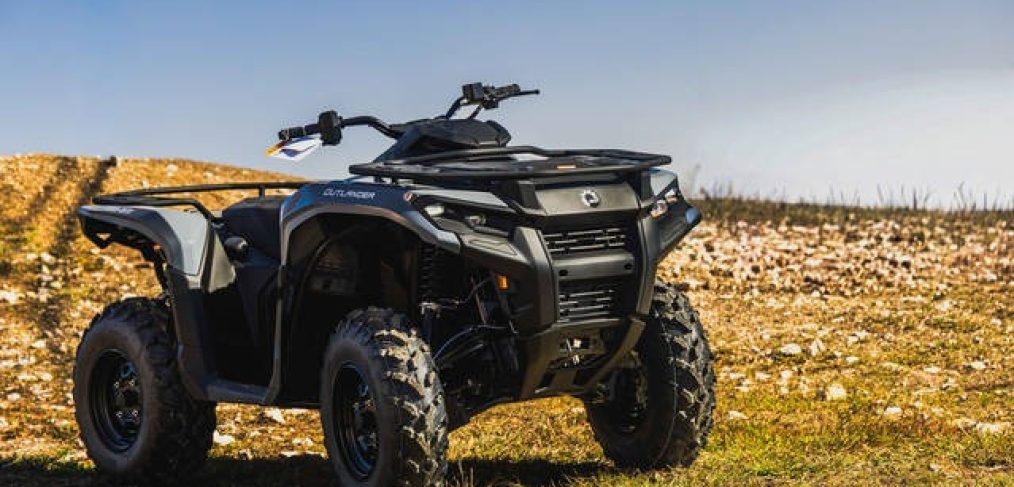
ATV Riding Safety Tips for Beginners
ATVs are genuinely one of the most fun ways to get outside, but they come with real risk, especially for new riders still learning how the machine handles. According to the Consumer Product Safety Commission, ATV-related incidents cause several hundred deaths and well over 100,000 injuries every year in the United States, and a large share of those are preventable with the right habits. This guide covers the essential ATV safety tips every new rider needs to know, and doubles as a complete beginner ATV riding guide for anyone getting on a four-wheeler for the first time.
None of this is meant to scare you off the trail. It’s meant to help you enjoy it for years to come.
Start With Proper Training
Before your first real ride, hands-on training from a qualified instructor makes a bigger difference than almost anything else on this list. An ATV Safety Institute course teaches the fundamentals of throttle control, braking, turning, and how to recognize and avoid dangerous situations, all in a controlled setting rather than learning through trial and error on an actual trail. Many dealerships and safety organizations offer these courses specifically for new riders, and it’s one of the smartest investments you can make before spending real time on an ATV. Woods Cycle Country offers rider training resources specifically for new riders getting started.
Wear the Right Safety Gear Every Time
Protective gear isn’t optional, and it isn’t just for aggressive trail riding. CPSC guidance is consistent on this point: every rider should wear a helmet along with eye protection, gloves, boots, long pants, and a long-sleeved shirt, every single time, regardless of how short or casual the ride feels.
Here’s what each piece actually does for you:
- Helmet. A DOT-approved, snug-fitting helmet is the single most important piece of gear you own. ATVs have a high center of gravity and no roll cage or seatbelts, so a fall or rollover puts your head at direct risk without one.
- Eye protection. Goggles or a face shield keep dust, debris, and branches out of your eyes, which matters even more on wooded trails.
- Gloves. Beyond comfort, gloves improve grip and protect your hands if you go down.
- Boots. Over-the-ankle boots with sturdy, non-slip soles protect your feet and ankles on uneven terrain and help keep them secure on the footpegs.
- Long sleeves and pants. Durable, protective clothing prevents scrapes and cuts if you’re thrown from the ATV, which is a real possibility given the vehicle’s design.
You can find all of this gear through our accessories department.
Know and Respect Age Guidelines
Age-appropriate machines matter more than most new riders realize. Health and safety experts are clear that riders younger than 16 should only operate youth-model ATVs sized and powered for their age, never adult-sized machines. Adult ATVs are larger, heavier, and considerably faster than youth models, and young riders often lack the physical strength and quick decision-making experience needed to control them safely. Many states also require parental permission and active supervision for riders under 16, along with mandatory DOT-certified helmets for anyone under 18.
Ride Solo Unless Your ATV Is Built for Passengers
Most ATVs are designed for a single rider, and CPSC guidance specifically warns against carrying more passengers than there are seats. Adding a passenger to a single-rider ATV changes the vehicle’s balance and handling in ways that significantly increase rollover risk. If you want to ride with someone else, look specifically for a model designed and rated for two riders rather than doubling up on a solo machine.
Stick to Appropriate Terrain and Trails
ATVs are built for off-road use, not pavement. Riding on paved roads is both dangerous and, in most places, illegal except to cross a road where specifically permitted. Paved surfaces make ATVs harder to control, particularly during turns, since their tires and suspension are designed for dirt, gravel, and uneven ground rather than smooth asphalt.
As a beginner, staying on marked, designated trails is one of the smartest habits you can build early. Off-trail riding introduces unpredictable obstacles, and sticking to established paths gives you a much more controlled environment to build confidence in. You can review general trail and riding regulations before your first ride.
Ride at a Safe, Controlled Speed
Speed is one of the biggest factors in ATV rollovers and loss-of-control incidents, especially for new riders who haven’t yet developed a feel for how the machine responds. ATVs become less stable at higher speeds, and quick turns or sudden obstacles are far harder to manage the faster you’re going. As a beginner, matching your speed to trail conditions and visibility, and staying well within your comfort zone, matters far more than keeping up with more experienced riders.
Master the Basics Before Tackling Tough Terrain
A solid beginner ATV riding guide always starts the same way: practice in an open, obstacle-free area before hitting an actual trail. Focus on a few fundamentals first:
- Body position. Keep your elbows up and stay balanced rather than rigid.
- Standing on rough terrain. Standing slightly on the footpegs over bumps absorbs shock and keeps you more stable than sitting through rough sections.
- Smooth steering. Gradual, controlled steering inputs keep the ATV predictable. Abrupt turns increase tip-over risk.
- Gradual braking. Squeeze brakes progressively rather than grabbing them hard, which can cause a skid or loss of control.
- Cornering. Slow down before a turn, not during it, and lean your body appropriately to help the ATV track through the corner.
Never Ride Under the Influence
This should go without saying, but it’s worth stating plainly: alcohol and drugs impair the judgment, reaction time, and physical coordination that safe ATV riding depends on. CPSC guidance treats this exactly the same way it treats operating any other motor vehicle while impaired, and it’s one of the most preventable causes of serious ATV incidents.
Inspect Your ATV Before Every Ride
A quick pre-ride check takes just a few minutes and catches problems before they become dangerous mid-trail. Before heading out, check:
- Tire pressure, since it affects balance and handling differently depending on terrain.
- Brake function and response.
- Lubrication on chains and control cables.
- Fuel level, filled appropriately without overfilling.
- Lights, if you’ll be riding in low visibility.
If your inspection turns up anything that needs attention, our service department can take a look before your next ride.
Beginner ATV Safety Checklist
| Category | What to Do |
|---|---|
| Training | Complete a hands-on ATV safety course before riding trails |
| Gear | Helmet, eye protection, gloves, boots, long sleeves and pants, every ride |
| Age fit | Match ATV size and power to the rider’s age and experience |
| Passengers | Ride solo unless the ATV is specifically rated for two riders |
| Terrain | Stay off paved roads and stick to designated trails |
| Speed | Match speed to trail conditions and stay within your skill level |
| Sobriety | Never ride under the influence of alcohol or drugs |
| Pre-ride check | Inspect tires, brakes, cables, and fuel before every ride |
FAQs
What is the most important ATV safety tip for beginners?
Wearing proper protective gear, especially a DOT-approved helmet, every single ride is widely considered the single most important habit, alongside completing hands-on safety training before riding trails.
What age should someone be before riding an ATV?
Health and safety experts generally recommend riders be at least 16 before operating an adult-sized ATV. Younger riders should only use age-appropriate youth models with parental permission and supervision.
Can I ride an ATV on the road?
No. ATVs are designed for off-road use and are generally not legal to ride on paved public roads, except to cross where specifically permitted by local law.
Is it safe to carry a passenger on my ATV?
Only if your specific ATV model is designed and rated for two riders. Most ATVs are built for a single rider, and adding a passenger to a solo machine increases rollover risk.
What safety gear do I actually need as a beginner?
At minimum, a DOT-approved helmet, eye protection, gloves, over-the-ankle boots, long sleeves, and long pants. This gear should be worn every ride, not just on longer or more difficult trails.
Should I take a safety course before my first ride?
Yes. Hands-on training through a certified ATV safety course teaches fundamentals like throttle control, braking, and turning in a controlled setting, which significantly reduces risk for new riders.
How do I know if I’m riding too fast as a beginner?
If you’re having trouble reacting to turns, obstacles, or trail conditions, you’re likely going too fast. ATVs become less stable at higher speeds, so beginners should stay well within their comfort zone.
What should I check on my ATV before every ride?
Tire pressure, brake function, cable and chain lubrication, and fuel level should all be checked before heading out, since a quick pre-ride inspection catches most preventable mechanical issues.
Conclusion and Next Steps
Riding an ATV safely comes down to a handful of consistent habits: proper training, the right gear every time, matching your machine and speed to your experience level, and respecting the rules of the trail. Following these ATV safety tips from day one builds the kind of foundation that keeps riding fun for years instead of ending in an avoidable accident.
If you’re just starting out, the team at Woods Cycle Country can help you find the right ATV for your experience level, walk you through the safety gear you’ll need, and point you toward local training resources before your first ride. Explore our current ATV inventory or talk to our team.


