
How Often Should You Service Your Motorcycle or ATV?
There’s no single number that answers how often you should service a motorcycle or ATV, but there is a reliable way to figure it out for your specific machine. The right motorcycle service schedule depends on engine type, riding style, and whether you’re chasing mileage or time-based intervals. ATV maintenance frequency follows similar logic but runs on engine hours more often than miles. This guide breaks down both, task by task, so you’re not guessing at what your machine actually needs.
Mileage vs Time: Why Both Matter
Manufacturers build maintenance schedules around whichever comes first: distance covered, engine hours, or time elapsed. That distinction matters because different components wear out for different reasons. Engine oil breaks down from heat cycles and combustion byproducts, so it’s primarily a mileage or hours item. Brake fluid, on the other hand, absorbs moisture from the air whether you ride or not, which makes it a time-driven item regardless of how many miles you’ve put on. Mixing these two categories up is one of the most common reasons riders either over-service some parts or let others go far too long.
Motorcycle Service Schedule by Task
Engine Oil and Filter
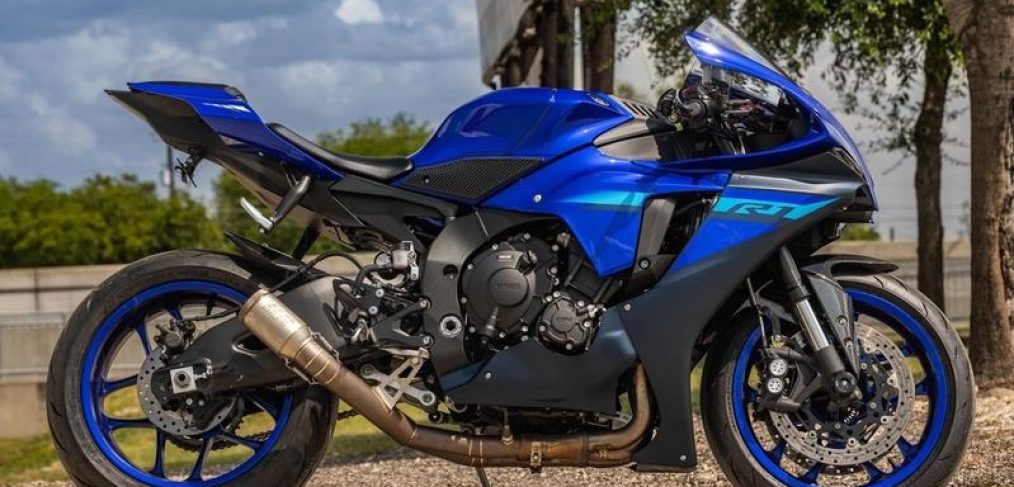
Most street motorcycles need an oil and filter change every 3,000 to 6,000 miles, or once a year, whichever comes first. Where your bike falls in that range depends heavily on the engine. High-revving sport bikes like a Yamaha R1 or R6 often call for oil changes as tight as every 3,000 miles, while touring and cruiser models with lower-stress V-twin engines can often stretch to 5,000 miles or more between changes.
Valve Clearance Checks
Valve inspection intervals vary more by engine design than almost any other maintenance item. Sport bikes typically need a check every 6,000 to 8,000 miles, naked bikes every 8,000 to 12,000 miles, and cruisers every 10,000 to 15,000 miles. Bikes with screw-and-lockout valve adjusters are relatively simple and inexpensive to service, while shim-under-bucket designs require more labor when the interval comes due, which is part of why manufacturers spec longer gaps between checks on those engines.
Drive Chain
If your motorcycle is chain-driven, the chain is the highest-maintenance component you own, and it punishes neglect faster than almost anything else on the bike. Lubricate it every 300 to 600 miles, and check tension and wear regularly, especially if you ride in wet or dusty conditions. A well-maintained chain and sprocket set can last significantly longer than a neglected one, and replacing a worn chain is far cheaper than replacing a chain that’s damaged the sprockets and cases around it.
Brake Fluid and Pads
Because brake fluid absorbs moisture over time, it should generally be replaced on a time-based schedule, typically every one to two years, rather than waiting for a specific mileage marker. Brake pad life varies more widely by riding style and bike type, ranging anywhere from 12,000 miles on sport bikes to 20,000 miles or more on cruisers with lighter, more relaxed riding patterns.
Tires
Tires wear based on a combination of mileage, age, and visible tread condition, so all three should factor into when you replace them. Sport bike tires often wear fastest due to more aggressive riding, while hard-compound touring tires on cruisers can last considerably longer, sometimes 15,000 to 20,000 miles.

ATV Maintenance Frequency by Task
Break-In Service
Before regular intervals apply, a new ATV needs a break-in oil and filter change, typically around 25 engine hours or 250 miles, whichever comes first. Skipping this step is one of the most common mistakes new owners make, since it removes fine metal particles generated as engine components wear in together.
Engine Oil and Filter
After break-in, most ATV need an oil and filter change every 25 to 100 hours of riding, or roughly every six months to a year. Recreational riders on lighter use often land closer to the 50-to-100-hour mark, while ATV used for demanding farm work or mud-ding should be serviced closer to every 25 to 30 hours.
Air Filter
Air filters deserve more frequent attention than most other ATV components, especially in dusty riding conditions. A quick check before or after every ride is a smart habit, since dirt reaching the engine causes wear much faster than most owners expect.
Transmission and Gearcase Fluid
Check transmission fluid clarity and color before each ride, and replace it roughly every 100 hours, 1,000 miles, or annually, whichever comes first. Cloudy or dark fluid usually signals contamination and should be addressed right away.
Drive Belt (CVT)
For belt-driven ATV, inspect the drive belt roughly every 100 hours or six months, following the same general rhythm as oil changes. Riders who push their machine hard or ride frequently in mud should check more often, since a damaged belt can also cause expensive clutch housing damage.
Motorcycle vs ATV Service Schedule at a Glance
| Task | Motorcycle Interval | ATV Interval |
| Oil and filter | 3,000 to 6,000 miles or annually | 25 to 100 hours or 6 to 12 months |
| Valve/clearance check | 6,000 to 15,000+ miles by bike type | Per manufacturer spec, less frequent |
| Chain or belt | Lubricate every 300 to 600 miles (chain) | Inspect every ~100 hours (CVT belt) |
| Brake fluid | Every 1 to 2 years | Check monthly, replace as needed |
| Air filter | Inspect regularly, more often if dusty | Check before or after every ride in dust |
| Tires | Based on mileage, age, and tread wear | Check pressure and wear before each ride |
How Riding Style Changes Your Schedule
Whether you ride a motorcycle or an ATV, riding style shifts your ideal service interval more than the manufacturer’s baseline number suggests:
- Light or occasional riders can generally follow standard published intervals without much adjustment.
- Frequent riders covering significant mileage or hours regularly should lean toward the shorter end of any interval range.
- Aggressive or performance riding, whether it’s a sport bike on twisty roads or an ATV on technical trails, wears components faster and often calls for service intervals tighter than the standard recommendation.
- Farm, utility, or mud-ding use on an ATV, and heavy stop-and-go city riding on a motorcycle, both accelerate wear on oil, filters, and drive-train components well beyond light recreational use.
Seasonal Maintenance Rhythm
For riders in areas with a distinct riding season, a simple rhythm keeps both machines ready to go:
- Before the season: Oil and filter change, air filter check, tire inspection, battery test, brake fluid and pad check, chain or belt service.
- Mid season: Air filter inspection, chain lubrication or belt check, coolant check, brake pad inspection.
- After the season: Full fluid check, thorough cleaning, proper storage, and battery maintenance if the machine will sit unused.
What Happens If You Skip Scheduled Maintenance
Neglected maintenance doesn’t just shorten a machine’s lifespan, it introduces real safety risk. Contaminated brake fluid, worn chains or belts, and skipped valve checks are all preventable causes of breakdowns, and some can lead to sudden failures rather than gradual warning signs. A well-documented maintenance history also matters at resale, since a properly serviced bike or ATV consistently commands more than an identical, undocumented one.
Do-It-Yourself vs Professional Service
Basic maintenance items, oil changes, air filter service, chain lubrication, and tire pressure checks, are manageable for most owners comfortable with simple tools. More involved work, like valve clearance adjustments, suspension service, and electrical diagnostics, is generally better left to a certified technician with the right equipment and model-specific knowledge. Our service department handles both routine and more involved work for motorcycles, ATV, and UTVs, and our parts department can help you source filters, fluids, and other maintenance items if you prefer to handle the basics yourself.
FAQs
How often should I follow a motorcycle service schedule?
Most motorcycles need an oil change every 3,000 to 6,000 miles or annually, with valve checks, chain maintenance, and brake service following their own separate intervals based on your specific model.
What is the typical ATV maintenance frequency for oil changes?
Most ATV need an oil and filter change every 25 to 100 hours of riding or every 6 to 12 months, with more frequent service required for heavy or aggressive use.
Does riding style actually change my service schedule?
Yes, significantly. Aggressive or frequent riding, whether on a motorcycle or an ATV, accelerates wear and often requires shorter intervals than the manufacturer’s baseline recommendation.
What’s the most important first service on a new ATV?
The break-in oil and filter change, typically at 25 engine hours or 250 miles, is critical since it removes fine metal particles generated as the engine wears in.
How often should I lubricate my motorcycle chain?
Every 300 to 600 miles is a common guideline, though wet or dusty riding conditions may call for more frequent attention.
Should I follow mileage or calendar time for maintenance?
Follow whichever comes first. Heavy riders typically hit mileage or hour-based intervals before time-based ones, while occasional riders may hit the calendar interval first even with low mileage.
Can I do motorcycle or ATV maintenance myself?
Basic tasks like oil changes, air filter service, and chain or belt lubrication are approachable for many owners. More technical work like valve adjustments and electrical diagnostics is often best left to a professional.
What happens if I ignore my service schedule?
Skipping maintenance increases the risk of brake failure, drive-train damage, and unexpected breakdowns, and significantly shortens your machine’s overall lifespan.
Conclusion and Next Steps
There’s no universal number for how often you should service a motorcycle or ATV, but building your maintenance routine around actual mileage or hours ridden, your specific engine type, and how you actually ride keeps either machine reliable for years instead of months. Whether you’re chasing trail miles on an ATV or road miles on a motorcycle, staying ahead of routine service is the single best thing you can do for long-term performance.
If you’d rather leave the details to the professionals, the team at Woods Cycle Country can build a maintenance schedule around your specific motorcycle or ATV and how you actually ride it. Schedule a service appointment or ask our team any questions about keeping your ride running strong.


