
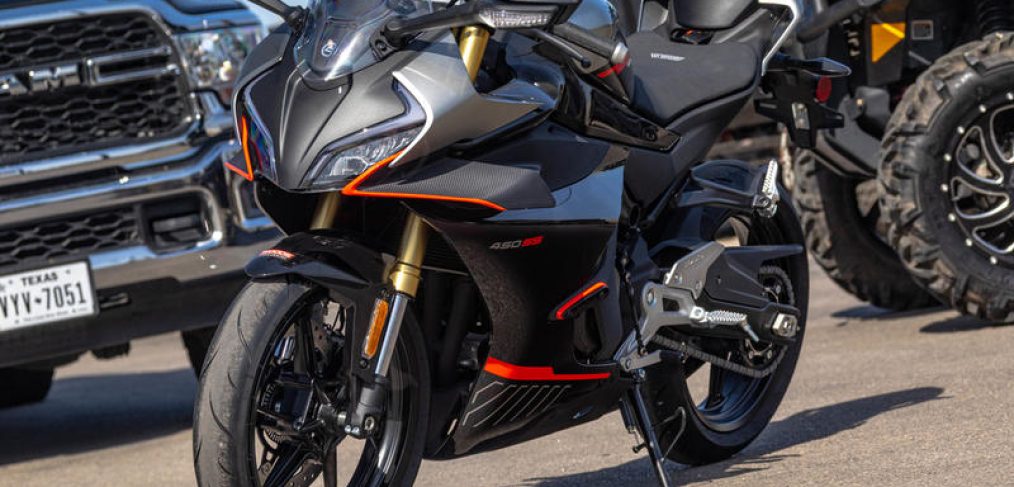
Best Motorcycles for Beginners in 2026: A Central Texas Rider’s Guide
There has never been a better year to buy your first motorcycle. The 2026 model year has brought a wave of genuinely impressive entry-level motorcycles from every major manufacturer — bikes that are lighter, smarter, better-looking, and more rider-friendly than anything the beginner segment has offered before. Features that used to be reserved for premium machines — ABS, slipper clutches, ride modes, and smartphone connectivity — are now standard on bikes priced well under $7,000.
But more options can also mean more confusion. With dozens of models across cruisers, naked bikes, sportbikes, adventure bikes, and dual-sports, figuring out which best beginner motorcycle actually fits your needs takes more than scrolling through spec sheets. This guide cuts through the noise and breaks down the top entry-level motorcycles for 2026 by riding style, with honest advice on what matters most when you’re choosing your first bike — and what doesn’t matter nearly as much as the internet says it does.
What Makes a Great Beginner Motorcycle?
Before diving into specific models, it helps to understand what separates a good starter bike from a bad one. The best beginner motorcycle isn’t the one with the lowest price tag or the smallest engine. It’s the bike that helps you build correct habits quickly without punishing small mistakes or overwhelming you with performance you can’t use yet.
Here’s what to prioritize:
- Manageable weight and power: For most new riders, the sweet spot is 300cc to 500cc. These engines provide enough power for confident city riding and highway merging without the aggressive throttle response that catches beginners off guard. That said, displacement alone doesn’t tell the full story — how the engine delivers its power matters more than the raw number.
- Comfortable ergonomics: An upright, neutral riding position reduces fatigue and improves your ability to control the bike at low speeds. Your first motorcycle shouldn’t force you into an aggressive lean or make you reach for handlebars that are too far away.
- Low seat height: If you can comfortably plant at least one foot flat at a stop, everything gets easier — your confidence increases, slow-speed maneuvers feel more natural, and the fear of tipping at a light goes away. Seat height, seat width, and the bike’s center of gravity all play into this.
- ABS (Anti-lock Braking System): This is non-negotiable in 2026. ABS prevents wheel lockup during hard braking, especially on loose or wet surfaces. Most modern entry-level motorcycles now include ABS standard, and if a model you’re considering doesn’t, move on.
- Slipper clutch or assist clutch: These reduce the effort needed to pull the clutch lever and prevent rear-wheel hop during aggressive downshifts. They make everyday riding smoother and more forgiving, especially while you’re still developing your clutch control.

Best Beginner Motorcycles by Riding Style
Every new rider is drawn to a different type of motorcycle, and that’s exactly how it should be. The bike that matches your intended riding style will keep you engaged, comfortable, and progressing as a rider far better than a bike someone else chose for you.
Best Beginner Naked / Standard Bikes
Naked bikes — also called standards — are the most versatile entry point for new riders. They feature upright riding positions, minimal bodywork, and a neutral stance that works equally well for commuting, weekend rides, and learning fundamental skills.
Yamaha MT-03 The MT-03 has dominated the beginner segment for years, and the 2026 model raises the bar again. Its 321cc parallel-twin engine delivers smooth, predictable power that’s forgiving at low speeds but responsive enough to feel satisfying on Hill Country back roads. Yamaha added a slip-assist clutch for 2026, which reduces lever effort and makes stalling less likely during takeoffs. The narrow seat and low center of gravity help shorter riders feel planted at stops, and pricing sits just under $5,000 in most configurations — making it one of the smartest buy-it-learn-on-it-sell-it-easily motorcycles on the market.
Kawasaki Z500 Kawasaki replaced the popular Z400 with the Z500 for 2026, and the upgrade is noticeable without being intimidating. The 451cc parallel-twin provides more mid-range pull for highway confidence while remaining easy to manage in town. Kawasaki’s ERGO-FIT system lets you adjust the seat, handlebars, and footpegs to customize the fit — a feature that’s especially valuable for beginners who aren’t sure what “comfortable” feels like yet because they haven’t spent enough time in the saddle.
Royal Enfield Guerrilla 450 Royal Enfield continues to expand its presence in the entry-level space, and the Guerrilla 450 brings a torque-rich single-cylinder engine with approachable ergonomics and genuinely competitive pricing. It’s nimble, well-balanced, and offers a character that feels distinctly different from the Japanese parallel-twins — riders who appreciate a bike with personality will connect with it immediately.
Best Beginner Cruisers
Cruiser motorcycles appeal to riders who want a relaxed riding position, a low seat height, and styling that turns heads without demanding aggressive body positioning.
Kawasaki Vulcan S The Vulcan S is one of the most underrated entry-level motorcycles in the cruiser segment. Its 649cc parallel-twin might sound large for a beginner, but Kawasaki’s dual throttle valve technology delivers power so smoothly that it stays manageable for less experienced riders. The 27.8-inch seat height and ERGO-FIT adjustability make it accessible for a wide range of body types, and ABS comes standard. If you’re a taller or heavier rider who wants a cruiser with real highway capability from day one, the Vulcan S deserves a serious look.
Yamaha Bolt Yamaha’s Bolt has carved out a loyal following among beginner and intermediate cruiser riders. Its 942cc V-twin produces a satisfying low-end rumble and enough torque to feel planted on the highway, while the low seat height and forward-control riding position keep things comfortable and confidence-building. It’s a step up in displacement from a 300cc or 500cc starter, so it suits riders who want their first bike to have staying power as their skills grow.
Suzuki Boulevard S40 The Boulevard S40 is the lightest, most manageable full-size cruiser you can buy. Its single-cylinder 652cc engine keeps things simple and predictable, the 27.6-inch seat height is among the lowest in class, and the overall weight stays well under 400 pounds. For riders who want classic cruiser style in a package that won’t overwhelm them, the S40 is a time-tested choice.
Best Beginner Sportbikes
If the look and feel of a sportbike is what drew you to motorcycling, the 2026 lineup offers entry-level options that deliver real sport styling without the extreme ergonomics and aggressive power of larger machines.
Yamaha YZF-R3 The R3 shares its 321cc parallel-twin engine with the MT-03 but wraps it in full sportbike bodywork inspired by Yamaha’s MotoGP machines. The fairing provides genuine wind protection, the riding position is sporty but not punishing, and the slipper clutch keeps everyday riding comfortable. For 2026, Yamaha added smartphone connectivity and a USB-A charging port. If you want your first bike to look like a proper sportbike without compromising rideability, the R3 is the gold standard.
Kawasaki Ninja 500 Kawasaki discontinued the Ninja 400 and replaced it with the Ninja 500 for 2026, stepping up to a 451cc parallel-twin that delivers more confident highway power while remaining approachable for new riders. The ERGO-FIT system carries over here as well, and the ABS-equipped model adds valuable braking safety for a modest upcharge. It’s a sportbike you can genuinely grow with rather than grow out of in six months.
Best Beginner Adventure / Dual-Sport Bikes
Central Texas terrain — Hill Country gravel roads, ranch gates, and fire roads — makes adventure and dual-sport motorcycles a natural fit for riders who want versatility beyond pavement.
Kawasaki KLX 300 The KLX 300 is a lightweight, manageable dual-sport that handles both city streets and unpaved back roads with equal composure. At around 300 pounds, it’s one of the lightest motorcycles in any category, which makes it incredibly forgiving for beginners learning off-road skills. It won’t win any highway speed contests, but for mixed-use riding in the Hill Country, it’s hard to beat.
Suzuki V-Strom 650 The V-Strom 650 sits at the larger end of the beginner spectrum, but its 645cc V-twin engine delivers power so smoothly and predictably that experienced instructors regularly recommend it for taller or heavier new riders who find 300cc machines too cramped. The upright adventure-touring position is comfortable for long rides, ABS and traction control come standard, and the bike’s reputation for bulletproof reliability makes it a sound long-term investment.
New vs. Pre-Owned: Which Makes More Sense for Your First Bike?
This is one of the most practical decisions you’ll make, and both paths have real merit.
A new motorcycle comes with a manufacturer’s warranty, the latest safety features and electronics, and zero unknowns about maintenance history. Financing terms on new bikes are typically more favorable, and manufacturer promotions — especially during spring and fall — can include low-rate or zero-percent APR offers that reduce your total cost of ownership.
A pre-owned motorcycle costs less upfront, which softens the financial impact of the inevitable early-rider drops and scrapes. It also takes pressure off the “what if I picked the wrong type” question — if you buy a used cruiser and realize you prefer a naked bike, you haven’t lost as much on the switch.
If you go pre-owned, buy from an authorized dealership rather than a private seller. A dealership inspects and services trade-ins before listing them, offers some level of recourse if something goes wrong, and gives you access to a parts and service department for ongoing maintenance. A private-party deal on a classifieds site offers none of that.
Essential Gear for New Riders
Your motorcycle is only half the equation. Proper gear protects you and makes every ride more comfortable, especially in the Texas heat.
- Helmet: A DOT-certified full-face helmet is the single most important piece of safety equipment you’ll own. Texas allows riders 21 and older who’ve completed a safety course or carry medical insurance to ride without one, but experienced riders will tell you a helmet is non-negotiable regardless of the law.
- Riding Jacket: An armored textile or mesh jacket with CE-rated shoulder and elbow protection. Ventilated mesh is essential for Central Texas summers — you’ll actually wear it if it breathes.
- Gloves: Full-finger motorcycle gloves with knuckle protection. Your hands are the first thing to contact the pavement in a fall.
- Boots: Over-the-ankle boots with non-slip soles. Sneakers and sandals offer zero protection from road hazards, exhaust heat, or impact.
- Riding Pants: Reinforced jeans or textile overpants with knee armor. They’re the piece of gear most beginners skip and most experienced riders wish they hadn’t.
Key Takeaways
The best beginner motorcycle in 2026 is the one that fits your body, matches your riding goals, and helps you build confidence without overwhelming you. Here’s the short version:
- Start with a bike in the 300cc to 500cc range for the ideal balance of manageable power and real-world capability. Cruiser riders may comfortably start with slightly larger displacement engines due to their smoother power delivery.
- Prioritize ABS, a slipper or assist clutch, and a seat height that lets you plant a foot confidently at stops.
- Choose your riding style first — naked, cruiser, sport, or adventure — then narrow down by brand, price, and features within that category.
- Don’t overbuy on displacement or spend beyond your budget chasing a bike you’ll “grow into.” A manageable first bike builds better habits faster, and you can always upgrade once you’ve logged real miles.
- Buy from an authorized dealership for warranty coverage, financing options, certified pre-owned inspection, and long-term parts and service support.
Frequently Asked Questions
Q1: What is the best beginner motorcycle for 2026?
The best beginner motorcycle depends on your preferred riding style. For naked/standard riding, the Yamaha MT-03 and Kawasaki Z500 lead the segment. For cruisers, the Kawasaki Vulcan S and Suzuki Boulevard S40 offer the best combination of low seat height, smooth power, and affordability. For sportbikes, the Yamaha YZF-R3 and Kawasaki Ninja 500 are top choices. Visit a dealership to sit on several models and find the one that fits your body and comfort level.
Q2: What CC is best for a beginner motorcycle?
Most new riders do best starting in the 300cc to 500cc range. These engines provide enough power for city commuting and highway riding without the aggressive throttle response that can overwhelm a new rider. Some cruiser models with smooth power delivery are comfortable starting points at 650cc or slightly above. Engine tuning and weight matter as much as raw displacement.
Q3: Should I buy a new or used motorcycle as a beginner?
Both options work well. A new motorcycle offers a factory warranty, modern safety technology, and better financing terms. A used motorcycle costs less upfront and reduces the financial impact of early learning-curve wear. If buying used, purchase from an authorized dealership where trade-ins have been inspected and serviced before sale.
Q4: Is ABS important on a beginner motorcycle?
Yes. ABS (Anti-lock Braking System) is one of the most important safety features on any motorcycle, especially for new riders. It prevents wheel lockup during hard or panic braking, significantly reducing the risk of a crash on wet, loose, or uneven surfaces. Most 2026 entry-level motorcycles include ABS as standard equipment.
Q5: How much should I spend on my first motorcycle?
New entry-level motorcycles in 2026 typically range from $4,500 to $8,000 depending on brand, model, and features. Budget an additional $500 to $1,500 for essential safety gear — helmet, jacket, gloves, boots, and riding pants. Financing options through authorized dealerships make both the bike and gear more accessible, and seasonal manufacturer promotions can reduce your total cost.
Q6: Do I need a motorcycle license in Texas?
Yes. Texas requires a Class M motorcycle license or a motorcycle endorsement added to your existing driver’s license before you can legally ride on public roads. You must complete a DPS-approved motorcycle safety course, which waives the written and riding skills test for riders 18 and older. The application fee is typically $30 to $50.
Q7: What’s the difference between a naked bike and a sportbike for beginners?
Naked bikes (standards) have an upright riding position, no fairings, and a neutral stance that’s comfortable for commuting, learning, and everyday riding. Sportbikes have fairings for wind protection, a more forward-leaning riding position, and styling inspired by racing machines. Both can be excellent beginner motorcycles — the choice comes down to your preferred riding posture and aesthetic.
Q8: Can I finance a beginner motorcycle at a dealership?
Yes. Most authorized powersports dealerships offer financing for new and pre-owned motorcycles, including programs for first-time buyers, buyers with limited credit history, and buyers rebuilding credit. Manufacturer promotions frequently include low-rate or zero-percent financing during peak buying seasons, making entry-level motorcycles more affordable than many buyers expect.
Ready to Find Your First Motorcycle?
Woods Cycle Country is a family-owned Central Texas powersports dealership carrying full motorcycle lineups from Kawasaki, Yamaha, Suzuki, Royal Enfield, Indian Motorcycle, Can-Am, and CFMOTO — plus the area’s largest selection of pre-owned bikes. Whether you’re choosing between a naked bike and a cruiser, comparing your first sportbike options, or figuring out what fits your frame and your budget, our team has the experience and inventory to help you ride out with the right first bike.


